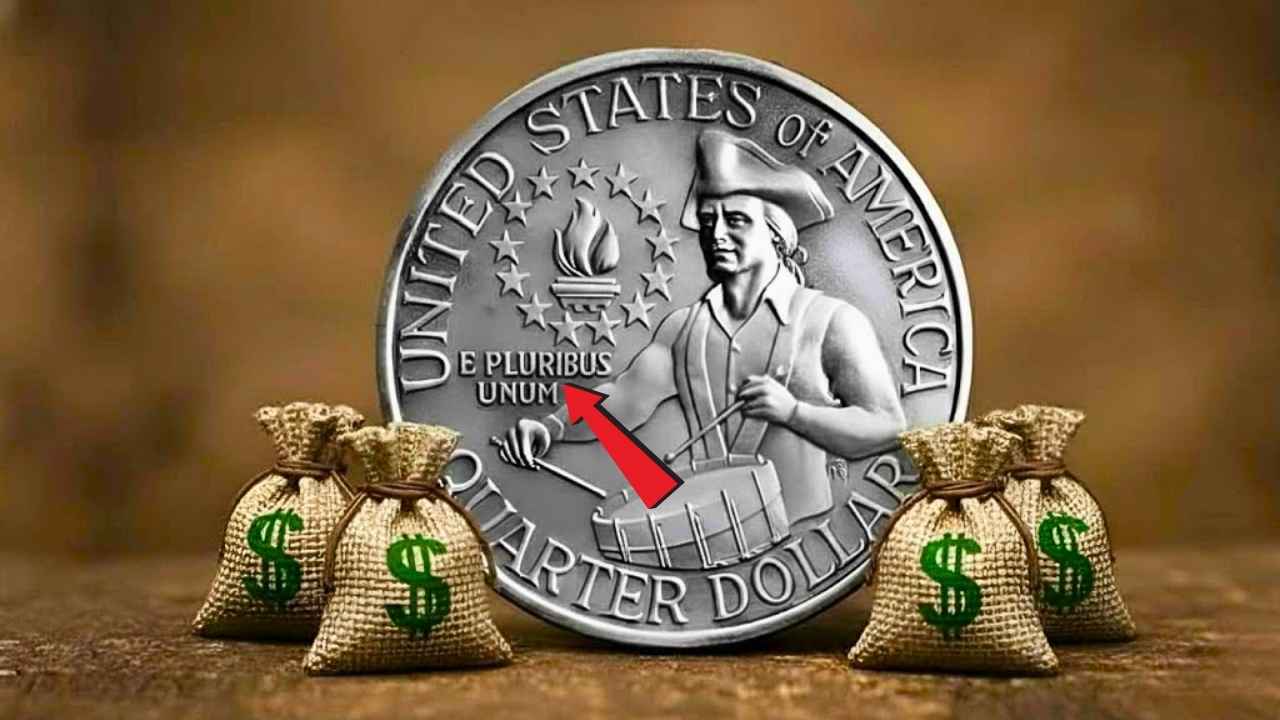
The 1976 Bicentennial quarter, often called the “Drummer Boy quarter,” is one of the most recognizable coins in American history. Issued to celebrate the 200th anniversary of the signing of the Declaration of Independence, it features a colonial drummer on the reverse, a design that captured the spirit of patriotism and freedom. While most of these coins are worth only twenty-five cents, certain rare varieties and minting errors have made some examples worth thousands, and in extraordinary cases, as much as $550,000. This guide explores the history of the coin, the rare issues that make it valuable, and how collectors can identify these hidden treasures.
The History of the Drummer Boy Quarter
In 1976, the United States Mint released special designs for the quarter, half dollar, and dollar to commemorate the nation’s bicentennial. The quarter’s reverse was designed by Jack L. Ahr, featuring a colonial drummer boy and a torch surrounded by thirteen stars. The obverse retained George Washington’s portrait, but with the dual date “1776–1976.”
These coins were minted in Philadelphia, Denver, and San Francisco, with billions produced. They were struck in both copper-nickel clad and 40 percent silver versions, with proof and uncirculated sets available for collectors. Despite the large mintage, certain varieties and errors have become rare and valuable.
Why Drummer Boy Quarters Are Valuable
Most Bicentennial quarters are common, but certain factors elevate their value dramatically:
- Silver composition, especially the 40 percent silver issues
- Minting errors such as double dies or off-center strikes
- Proof and special collector sets
- Condition, with uncirculated coins commanding higher premiums
- Collector demand for unique varieties tied to the bicentennial celebration
The $550,000 Drummer Boy Quarter
The most extraordinary Drummer Boy quarter is a rare error variety that has been valued at $550,000. This coin was struck under unusual circumstances, creating a one-of-a-kind collectible. Auction records and expert valuations have confirmed its extraordinary worth, making it one of the most valuable quarters ever produced.
For collectors, the possibility of finding such a treasure adds excitement to the hobby. While the odds of discovering this exact coin in circulation are slim, other valuable Bicentennial quarters can still be found in collections, rolls, and inherited coin jars.
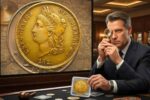
Four Rare Drummer Boy Quarters Collectors Want Today
1976-S Silver Proof Quarter
The San Francisco Mint produced special proof sets containing 40 percent silver Bicentennial quarters. These coins are highly prized by collectors, especially in pristine condition. Values range from $10 to $50, with high-grade examples selling for much more.
1976-D Double Die Obverse Quarter
One of the most famous error varieties is the 1976-D double die obverse quarter. This coin shows noticeable doubling in the lettering and design elements, making it a rare find. Values can range from $500 to several thousand dollars depending on grade.
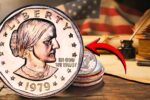
1976-S Silver Uncirculated Quarter
In addition to proof coins, the San Francisco Mint also struck 40 percent silver uncirculated quarters for collector sets. These coins are scarcer than their clad counterparts and can sell for $20 to $100 or more in high grades.
1976 Bicentennial Quarter Mule Error
The rarest and most valuable Bicentennial quarter is the mule error, where the coin was mistakenly struck with mismatched dies. These coins are extremely rare and can sell for tens of thousands of dollars at auction, with some examples reaching hundreds of thousands.
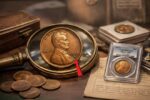
Value Trends Over the Last Decade
The past ten years have seen notable changes in Bicentennial quarter values. Some coins have appreciated significantly, while others have remained steady. Key trends include:
- Rising demand for silver issues due to fluctuations in silver prices
- Increased interest in proof and special collector issues
- Greater premiums for high-grade coins certified by professional grading services
- Online auctions driving competitive bidding for rare varieties
- Global interest expanding the market beyond the United States
Updated Price Chart
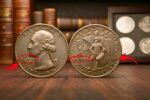
While values fluctuate based on market demand, condition, and rarity, the following chart provides a general overview of Bicentennial quarter prices:
| Year/Variety | Average Value (Circulated) | Value in Mint State | Notes |
|---|---|---|---|
| 1976-S Silver Proof | $10–$20 | $50–$200 | Collector issue |
| 1976-D Double Die Obverse | $500+ | $2,000–$5,000+ | Rare error |
| 1976-S Silver Uncirculated | $20–$50 | $100+ | Scarce variety |
| 1976 Mule Error | $10,000+ | $50,000+ | Extremely rare |
| $550,000 Rare Error Variety | $100,000+ | $550,000+ | Unique collectible |
| Common Clad Issues | Face Value | $1–$5 | Collectible in high grade |
Collector Trends
The market for Bicentennial quarters remains strong. Several trends stand out:
- Increased demand for silver issues, especially proof and uncirculated coins
- Rising values for error varieties such as double dies and mule errors
- Growing interest in complete Bicentennial coin sets including quarter, half dollar, and dollar
- Online auctions attracting global bidders, driving competitive prices
- Collectors focusing on high-grade examples certified by professional grading services
Collector Grading Guide
Grading plays a vital role in determining the value of Bicentennial quarters. Coins are graded on a scale from Poor (P-1) to Mint State (MS-70). Key grading factors include:
- Strike quality: Sharp details and clear design elements increase value
- Luster: Original mint shine is highly desirable
- Surface preservation: Fewer scratches, marks, or wear result in higher grades
- Eye appeal: Overall attractiveness of the coin influences collector demand
Professional grading services provide certification, which helps establish authenticity and market value.
Tips for Collectors
- Inspect coins carefully under good lighting and magnification
- Store coins in protective holders to preserve condition
- Consider professional grading for rare varieties
- Stay informed about auction results and collector trends
- Explore inherited collections, as rare Bicentennial quarters are sometimes overlooked
The Joy of Collecting Drummer Boy Quarters
Beyond financial value, Bicentennial quarters are admired for their artistry and symbolism. They represent a celebration of America’s 200th anniversary and a unique chapter in coinage history. For many collectors, the thrill lies not only in profit but in the discovery of hidden treasures that others may overlook.
Key Highlights
- The Drummer Boy quarter was issued in 1976 to celebrate America’s bicentennial
- Rare varieties include the 1976-S silver proof, 1976-D double die obverse, 1976-S silver uncirculated, and mule error coins
- Silver issues are especially valuable compared to common clad coins
- Error coins such as double dies and mule strikes can be worth thousands
- One rare error variety has been valued at $550,000
- Collector trends show rising demand for rare varieties and proof coins
Final Words
The 1976 Drummer Boy quarter remains one of the most beloved coins in American numismatics. While most examples are worth only face value, rare varieties and silver issues can command significant premiums. The possibility of finding a $550,000 treasure hidden in ordinary change adds excitement to the hobby.
For collectors, the pursuit of Bicentennial quarters is not just about wealth but about preserving history and enjoying the thrill of discovery. Whether found in circulation, inherited from family, or purchased at auction, these coins continue to inspire with their unique blend of artistry, rarity, and heritage.