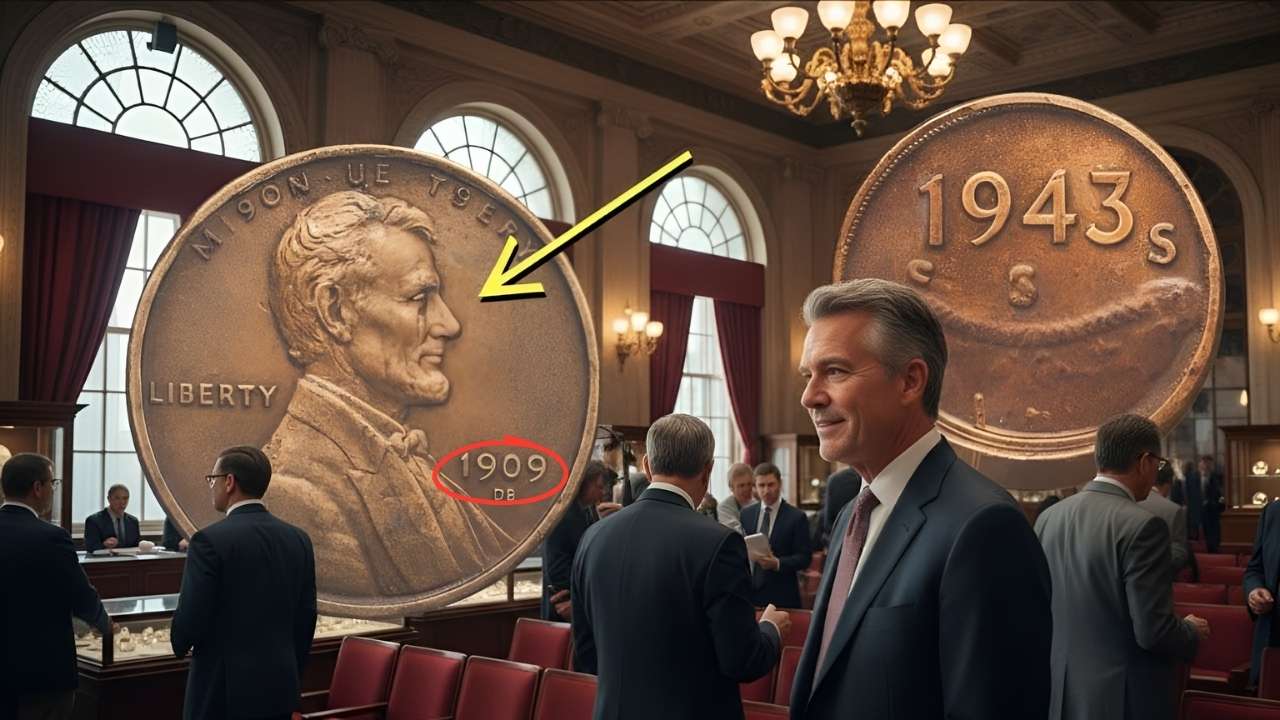
The Lincoln Wheat penny is one of the most iconic coins in American numismatics. Minted from 1909 to 1958, it features Abraham Lincoln on the obverse and two wheat stalks on the reverse. While millions were produced, certain dates, mint marks, and error varieties have become highly valuable. In 2026, collectors are paying close attention to these coins, with some rare examples worth thousands of dollars. This guide explores the history, market trends, and the most valuable Wheat pennies to look for today.
The History of the Lincoln Wheat Penny
The Wheat penny was introduced in 1909 to commemorate the centennial of Abraham Lincoln’s birth. Designed by Victor David Brenner, it was the first U.S. coin to feature a real person rather than a symbolic figure. The coin remained in circulation until 1958, when it was replaced by the Lincoln Memorial cent.

Over its nearly fifty-year run, the Wheat penny saw numerous varieties, including rare mint marks and unique errors. These coins have become staples in collections and continue to attract strong interest in the numismatic market.
Why Wheat Pennies Are Valuable
Wheat pennies are valued for several reasons. Their historical significance, connection to Abraham Lincoln, and long production run make them appealing to collectors. More importantly, certain rare varieties and minting errors have become highly sought after. Condition plays a major role, with uncirculated or proof examples commanding far higher prices than circulated coins.

Rare Wheat Pennies Worth Thousands in 2026
1909-S VDB
The 1909-S VDB is one of the most famous Wheat pennies. With a mintage of only 484,000, it is highly sought after. In 2026, mint state examples continue to sell for thousands of dollars.
1914-D
The 1914-D Wheat penny is another rarity, with a low mintage of just over one million. High-grade examples are scarce and remain among the most valuable coins in the series.
1922 No D
This variety was created when the Denver Mint accidentally produced cents without the “D” mint mark. Collectors prize this error, and values have steadily increased over the past decade.
1931-S
With a mintage of only 866,000, the 1931-S is one of the lowest production Wheat pennies. In uncirculated condition, it commands strong prices in 2026.
1944 Steel Penny
Most 1944 pennies were struck in copper, but a few were mistakenly made from steel planchets left over from 1943. These rare coins are worth thousands today.
1955 Double Die Obverse
Perhaps the most famous error in the Wheat penny series, the 1955 double die obverse shows dramatic doubling in the date and lettering. This coin remains a collector favorite, with values continuing to rise.
1943 Copper Penny
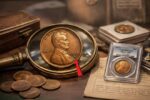
During World War II, pennies were struck in steel to save copper for the war effort. A few copper planchets were mistakenly used, creating one of the rarest Wheat pennies. In 2026, these coins can fetch tens of thousands of dollars.
Error Varieties That Add Value
Beyond the key issues, error varieties add excitement to collecting Wheat pennies. Off-center strikes, clipped planchets, and double dies are examples of errors that can significantly increase a coin’s value. These anomalies are rare and visually striking, making them highly desirable to collectors.
Factors That Influence Value
The value of Wheat pennies depends on several factors:
- Rarity: Low mintage coins and error varieties are worth the most
- Condition: Mint state coins command higher prices than circulated examples
- Demand: Popular varieties attract strong collector interest
- Certification: Coins graded by professional services often sell for higher prices
- Historical significance: Coins tied to unique events or designs carry added appeal
Collector Insights in 2026
Collectors in 2026 are focusing on both classic rarities and error varieties. Online auctions and coin shows reveal strong demand for Wheat pennies, with prices continuing to rise. Younger collectors are entering the hobby, ensuring that interest in these coins remains strong for years to come.

Preserving Wheat Pennies
Preservation is essential for maintaining value. Coins should be stored in protective holders or albums to prevent wear and tarnish. Avoid cleaning coins, as this can reduce their value. Keeping them in a stable environment ensures they remain in top condition for years to come.
Market Outlook Beyond 2026
The market for Wheat pennies shows no signs of slowing down. With growing interest in numismatics worldwide, experts predict that values will continue to rise. The fixed supply of rare Wheat pennies ensures that competition among collectors remains fierce, driving prices higher year after year.
Key Highlights
- Wheat pennies were minted from 1909 to 1958 and remain highly collectible
- Rare varieties and minting errors can be worth thousands of dollars
- Key issues include the 1909-S VDB, 1914-D, 1922 No D, 1931-S, 1944 steel penny, 1955 double die, and 1943 copper penny
- Error varieties such as double dies and off-center strikes add significant value
- Value depends on rarity, condition, demand, and certification
- Preservation and professional grading are essential for maximizing value
- Market trends in 2026 show rising demand and increasing prices for Wheat pennies
Final Words
The Lincoln Wheat penny is more than just a coin; it is a piece of American history that continues to inspire collectors. Over the years, values have risen steadily, with rare varieties achieving remarkable prices. In 2026, collectors and investors alike are drawn to the Wheat penny for its historical significance and financial potential. Whether you are a seasoned numismatist or a beginner, exploring the world of Wheat pennies offers both excitement and reward. These coins remind us that even the smallest denomination can hold immense value and lasting legacy.