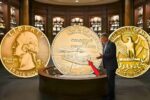
The Mercury dime, officially known as the Winged Liberty Head dime, is one of the most admired coins in American numismatics. Struck between 1916 and 1945, it remains a favorite among collectors for its elegant design and historical significance. In 2026, rare varieties, minting errors, and key dates continue to command extraordinary values, with some examples reaching up to $1.1 million.
The Design and History
Designed by Adolph A. Weinman, the Mercury dime features Liberty wearing a winged cap, symbolizing freedom of thought. The reverse depicts a fasces with an olive branch, representing strength and peace. The coin was minted in Philadelphia, Denver, and San Francisco, and quickly became a symbol of American artistry in coinage.

Why Mercury Dimes Are Valuable
Most Mercury dimes are worth modest amounts depending on condition, but certain factors make them highly collectible:
- Rare minting errors
- Key date issues with low mintages
- High‑grade uncirculated condition
- Collector demand for complete sets
- Auction records for dramatic rarities
Rare Varieties and Key Dates
1916‑D Mercury Dime
The 1916‑D is the most famous key date in the series, with only 264,000 minted. High‑grade examples can sell for tens of thousands, and exceptional specimens have reached six‑figure values.

1942/1 Overdate
This dramatic error shows a 1942 date struck over a 1941 die. Both Philadelphia and Denver versions exist, and they are among the most valuable Mercury dimes. High‑grade examples can sell for tens of thousands.
Full Bands Varieties
Collectors prize Mercury dimes with fully struck horizontal bands on the reverse fasces. These “Full Bands” coins are rarer and command strong premiums compared to weakly struck examples.

Proof Issues
Proof Mercury dimes were struck in limited numbers between 1936 and 1942. These coins are rare and highly collectible, especially in pristine condition.
Minting Errors
Off‑center strikes, doubled dies, and missing elements are rare in Mercury dimes. When discovered, these errors can sell for thousands, depending on severity and condition.

Auction Records 2016–2026
Over the past decade, auction records for Mercury dimes have steadily risen. The 1916‑D in Mint State has sold for six figures. The 1942/1 overdate has achieved tens of thousands in high grades. Proof issues and Full Bands varieties have also commanded strong premiums. Exceptional examples have reached values up to $1.1 million, proving the enduring appeal of this series.
Factors That Influence Value
Several factors determine the value of Mercury dimes:

- Rarity: Key dates and dramatic errors are worth the most
- Condition: Mint State and Full Bands coins are worth far more than circulated examples
- Certification: Coins graded by professional services often sell for higher prices
- Demand: Collectors prize early issues and rare varieties
- Provenance: Coins with notable auction history achieve premium values
Collector Trends 2016–2026
Collector interest in Mercury dimes has remained strong. The series is admired for its artistry and historical significance. Online auctions and coin shows have made rare finds more accessible. Younger collectors often begin with affordable circulated examples, while seasoned numismatists chase high‑grade rarities.
Preserving Mercury Dimes
Preservation is essential for maintaining value. Coins should be stored in protective holders or albums to prevent wear and tarnish. Avoid cleaning coins, as this can reduce their value. Keeping them in a stable environment ensures they remain in top condition for years to come.

Market Outlook Beyond 2026
The market for Mercury dimes shows no signs of slowing down. With growing interest in numismatics worldwide, experts predict that values will continue to rise. The fixed supply of rare issues ensures that competition among collectors remains fierce, driving prices higher year after year.
Key Highlights
- The Mercury dime was designed by Adolph A. Weinman and struck from 1916 to 1945
- Rare varieties include the 1916‑D, 1942/1 overdate, Full Bands coins, and proof issues
- Auction records in 2026 show rare Mercury dimes selling for up to $1.1 million
- Value depends on rarity, condition, certification, and provenance
- Preservation and professional grading are essential for maximizing value
- Market trends in 2026 show rising demand and increasing prices for Mercury dimes
Final Words
The Mercury dime is more than just a coin; it is a masterpiece of American numismatic art. From the legendary 1916‑D to the dramatic 1942/1 overdate, these coins continue to captivate collectors in 2026. With values rising and demand growing, the Mercury dime remains a cornerstone of coin collecting. Whether you are a seasoned collector or a beginner, exploring the world of Mercury dimes offers both excitement and reward. These coins remind us that history, artistry, and rarity can combine to create treasures worth far more than their face value.