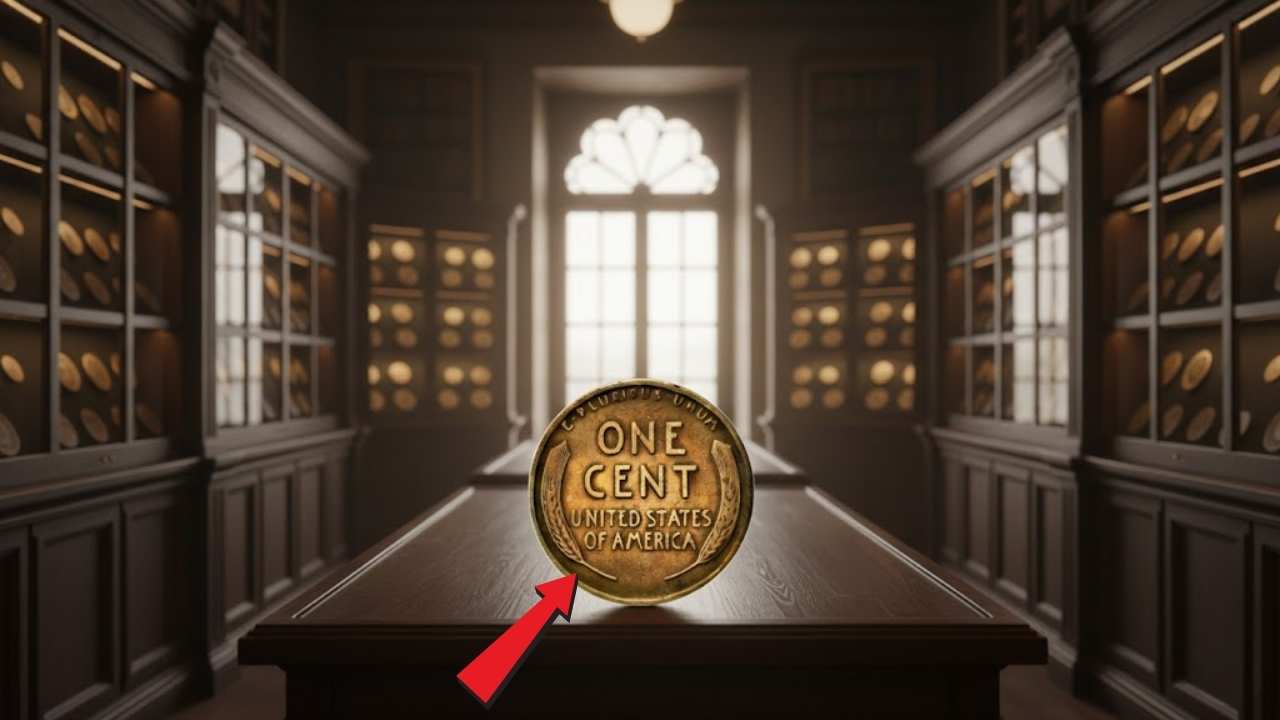
The Lincoln penny is one of the most recognized coins in American history. Introduced in 1909 to honor the centennial of Abraham Lincoln’s birth, it was the first U.S. coin to feature a real person rather than a symbolic figure. Over the years, the Lincoln penny has undergone design changes, minting variations, and has become a cornerstone of coin collecting. While most pennies are worth only one cent, certain rare dates, mint marks, and mint errors have transformed ordinary coins into treasures worth hundreds or even thousands of dollars. In 2026, collectors continue to seek out these hidden gems, making the Lincoln penny a fascinating part of numismatics.
The History of the Lincoln Penny
The Lincoln penny was designed by Victor David Brenner and introduced in 1909. The obverse features Lincoln’s portrait, while the reverse originally displayed two wheat stalks, giving rise to the nickname “Wheat penny.” In 1959, the reverse design changed to the Lincoln Memorial, and in 2010, it was updated again to depict the Union Shield. Each design era carries its own collectible appeal, and certain years and mint marks stand out as rare and valuable.
Why Lincoln Pennies Are Valuable
Several factors contribute to the value of Lincoln pennies.
- Low mintage numbers make certain dates scarce.
- Mint errors create unique varieties that collectors prize.
- Exceptional condition, especially uncirculated or proof-like examples, adds significant premiums.
- Historical significance, such as first-year issues or transitional designs, increases demand.
Key Dates and Mint Marks
1909-S VDB Penny
The 1909-S VDB is the most famous Lincoln penny. With only 484,000 minted, it is highly sought after. In high-grade condition, it can be worth thousands.
1914-D Penny
The 1914-D is another key date, with a low mintage of just over one million. Collectors prize this coin, especially in uncirculated condition.
1922 No D Penny
This variety was struck in Denver but without a visible mintmark. It is rare and valuable, particularly in higher grades.
1931-S Penny
With a mintage of only 866,000, the 1931-S is one of the lowest production Lincoln pennies. It remains a key date for collectors.
1943 Copper Penny
During World War II, pennies were struck in steel to conserve copper for the war effort. A few 1943 copper pennies were mistakenly struck and are worth tens of thousands of dollars.
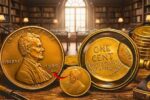
1955 Doubled Die Penny
One of the most famous error coins, the 1955 doubled die shows dramatic doubling on the obverse lettering. High-grade examples can sell for thousands.
1969-S Doubled Die Penny
This rare doubled die variety is extremely valuable, with some examples selling for tens of thousands.
1972 Doubled Die Penny
Another doubled die variety, the 1972 penny shows clear doubling on the obverse. It is collectible and valuable in high grades.
1982 Small Date Copper Penny
In 1982, the Mint transitioned from copper to zinc planchets. The small date copper variety is rare and highly prized.
Rare Mint Errors Worth Collecting
Mint errors add a unique dimension to coin collecting. Some of the most notable Lincoln penny errors include off-center strikes, doubled dies, missing mintmarks, and transitional planchet errors. These coins are often one-of-a-kind and can command significant premiums in the marketplace.
Year and Mint Mark Chart
Collectors often rely on year and mint mark charts to identify valuable Lincoln pennies. Key dates include 1909-S VDB, 1914-D, 1922 No D, 1931-S, and 1943 copper errors. Mintmarks such as D for Denver and S for San Francisco can significantly affect value. Understanding these charts helps collectors spot hidden treasures in their collections.
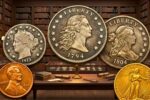
Market Trends in 2026
In 2026, the market for Lincoln pennies remains strong. Collectors are increasingly aware of rare varieties and errors, driving demand upward. Auction houses report record prices for unique specimens, while online marketplaces show steady interest in key dates like the 1909-S VDB and 1955 doubled die. Modern varieties such as the 1982 copper small date continue to attract attention, proving that valuable finds are not limited to early issues.
Investment Potential
Lincoln pennies offer excellent investment potential. Coins with proven rarity, strong demand, and professional certification tend to appreciate over time. While not every penny will reach thousand-dollar levels, even modest finds can provide significant returns. Collectors who focus on quality and rarity are best positioned to benefit from long-term value growth.
Tips for Collectors
- Learn the key dates and varieties to watch for.
- Examine coins carefully for errors and doubling.
- Consider professional grading for coins believed to be rare or in exceptional condition.
- Store coins in protective holders to preserve their quality.
- Stay updated on auction results and market trends to identify opportunities.
Key Highlights
- Lincoln pennies have been minted since 1909 and remain highly collectible.
- Rare varieties include the 1909-S VDB, 1914-D, 1922 No D, 1955 doubled die, and 1982 copper small date.
- Year and mint mark charts help collectors identify valuable coins.
- Some Lincoln pennies are worth thousands, with rare errors reaching even higher values.
- Market demand in 2026 remains strong, with collectors seeking rare varieties and high-grade examples.
Final Words
The Lincoln penny is more than just a piece of currency; it is a symbol of American history and artistry. In 2026, rare examples continue to inspire collectors