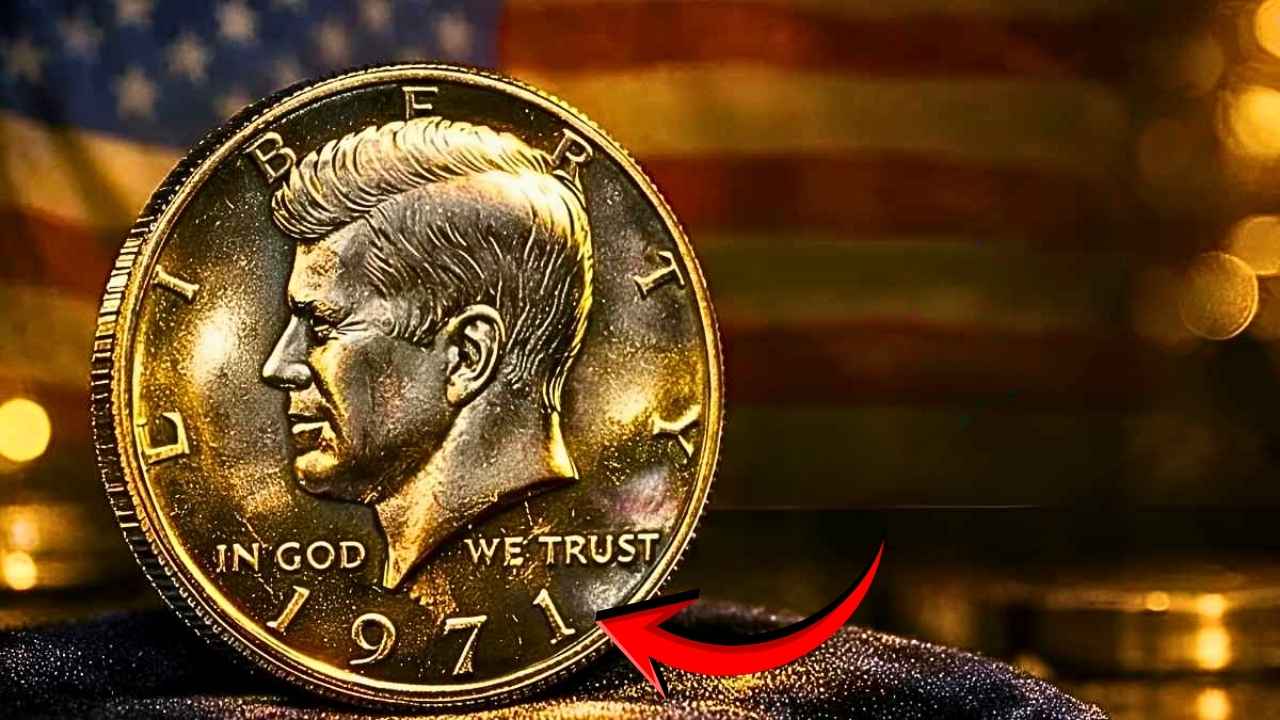
The Kennedy Half Dollar has been a symbol of American history and remembrance since its introduction in 1964. Created to honor President John F. Kennedy after his assassination, the coin quickly became a collector favorite. While many issues are common, certain dates and varieties stand out for their rarity and value. The 1971 Kennedy Half Dollar is one such coin, representing the first year the series was struck without silver for circulation. In 2026, collectors continue to study and collect this classic coin, appreciating its historical significance and market value.
The History of the Kennedy Half Dollar
The Kennedy Half Dollar was first minted in 1964, replacing the Franklin Half Dollar. Designed by Gilroy Roberts and Frank Gasparro, the coin features Kennedy’s portrait on the obverse and the Presidential Seal on the reverse.
The 1964 issue was composed of 90 percent silver, making it highly collectible. From 1965 to 1970, the composition changed to 40 percent silver. Beginning in 1971, the coin was struck in copper‑nickel clad for circulation, marking a significant shift in U.S. coinage.
The 1971 Kennedy Half Dollar
The 1971 Kennedy Half Dollar is notable because it was the first year the coin was produced without silver for general circulation. Instead, it was struck in copper‑nickel clad, similar to quarters and dimes of the era. While millions were produced, certain varieties and high‑grade examples are valuable to collectors.
Proof versions and special collector issues were also produced, some containing silver. These coins are more desirable and can command higher prices depending on condition and rarity.
Rare Varieties and Errors
1971‑D Doubled Die Obverse
One of the most famous varieties is the 1971‑D Doubled Die Obverse. This error features noticeable doubling on the lettering and date. High‑grade examples are rare and valuable.
1971 Proof Silver Issues
Although circulation coins were copper‑nickel clad, proof versions struck in silver were produced for collectors. These coins are scarcer and more valuable, especially in pristine condition.
Off‑Center Strikes and Planchet Errors
Error coins such as off‑center strikes, wrong planchet strikes, and missing details add to the intrigue of the 1971 Kennedy Half Dollar. These coins are rare and can be worth significant premiums depending on the severity of the error.
Why the 1971 Kennedy Half Dollar Is Valuable
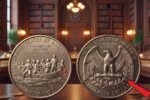
The value of the 1971 Kennedy Half Dollar is determined by rarity, condition, and demand. While most circulation coins are common, rare varieties and error coins are highly prized. Proof silver issues and high‑grade examples certified by professional grading services command strong premiums. Collectors seek these coins not only for their monetary value but also for their historical significance as the first clad issue in the series.
How to Identify Rare 1971 Kennedy Half Dollars
Identifying rare 1971 Kennedy Half Dollars requires careful examination. Look for unusual features such as doubled lettering, off‑center strikes, or unusual finishes. A magnifying glass can help reveal details that are not visible to the naked eye. Comparing coins to reference guides or online resources can also help identify rare varieties. If you suspect you have a rare coin, consider submitting it to a professional grading service for authentication.
Condition and Grading
Condition plays a crucial role in determining the value of Kennedy Half Dollars. Coins are graded on a scale from Poor to Mint State 70. High‑grade examples with sharp details and flawless surfaces are worth significantly more than circulated coins. Professional grading services such as PCGS and NGC provide authentication and grading, ensuring collectors can trust their purchases.
Market Value in 2026
As of 2026, the market for Kennedy Half Dollars remains strong. Rare varieties such as the 1971‑D Doubled Die Obverse and proof silver issues continue to attract global interest, with auction prices reaching impressive levels. Online marketplaces and coin shows have made these coins more accessible, but demand continues to drive prices upward. Collectors worldwide remain fascinated by the artistry and rarity of the Kennedy Half Dollar.
Investment Potential
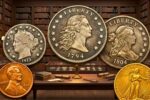
Rare Kennedy Half Dollars are not only collectibles but also alternative investments. Their value is driven by scarcity, demand, and historical significance. Investors who focus on certified coins with high grades often see steady appreciation over time. While not every 1971 Kennedy Half Dollar will yield significant returns, rare varieties and pristine examples offer both historical charm and financial potential.
Collecting Tips
For those interested in collecting Kennedy Half Dollars, start by examining coins in circulation or purchasing affordable examples from dealers. Look for unusual features such as doubled dies or proof silver issues. Always handle coins carefully to avoid damage, and consider professional grading for coins that appear rare or flawless. Joining coin clubs or online forums can also provide valuable insights and connections with other collectors.
Key Highlights
- The Kennedy Half Dollar was introduced in 1964 to honor President John F. Kennedy
- The 1971 issue marked the first clad circulation coin without silver
- Rare varieties include the 1971‑D Doubled Die Obverse and proof silver issues
- Error coins such as off‑center strikes and wrong planchet strikes are highly collectible
- Condition and professional grading are essential for determining value
- The rare coin market in 2026 continues to thrive globally
Final Words
The 1971 Kennedy Half Dollar Collector Guide highlights the enduring appeal of this classic coin. From the first clad issues to rare proof silver varieties, these coins represent both history and artistry. Their rarity and condition make them prized possessions for collectors and investors alike. In 2026, they continue to inspire enthusiasts, proving that even small coins can achieve extraordinary values. Whether you are a beginner searching through pocket change or an experienced numismatist seeking rare finds, Kennedy Half Dollars remain timeless reminders of how currency can hold extraordinary stories and value.