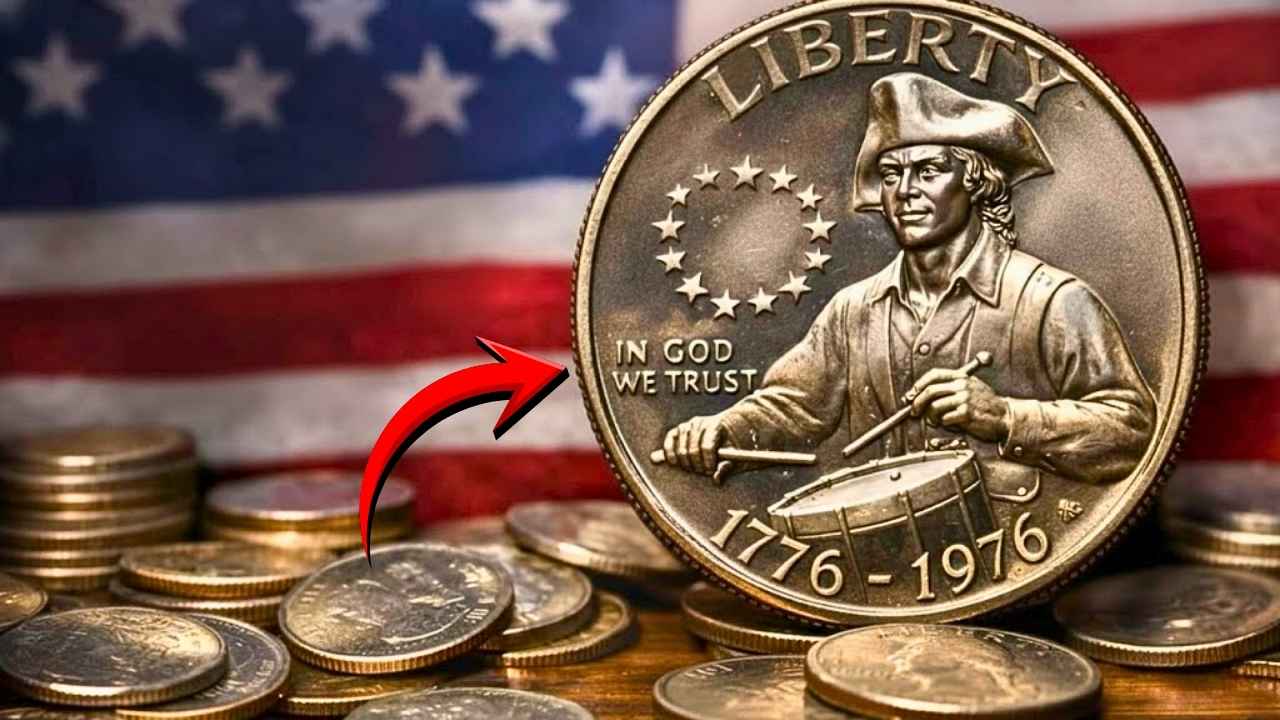
The 1976 Bicentennial Quarter, often called the “Drummer Boy Quarter,” is one of the most iconic coins in American history. Released to celebrate the 200th anniversary of the United States, this coin carries both historical significance and collectible value. While most Bicentennial quarters are worth only their face value, rare varieties and pristine conditions can fetch astonishing sums—sometimes even reaching hundreds of thousands of dollars. This guide explores the history, design, value factors, and what makes certain Bicentennial quarters so valuable.
The History Behind the Bicentennial Quarter
In 1976, the U.S. Mint issued special coins to commemorate America’s Bicentennial. The quarter featured a unique reverse design created by Jack L. Ahr, showing a colonial drummer boy with a torch surrounded by thirteen stars. Unlike regular quarters, these coins carried the dual date “1776–1976” to mark the nation’s 200 years of independence. They were struck in massive numbers, making them common in circulation, but certain rare versions stand out today.

Design Features That Make It Special
The obverse of the coin still carried George Washington’s portrait, but the reverse was where the magic happened. The drummer boy design symbolized patriotism and the spirit of independence. Collectors often admire the coin for its artistic detail, especially when preserved in mint condition. Proof versions, silver-clad editions, and coins with striking errors are particularly sought after.
Circulation vs. Collector Editions
Most Bicentennial quarters were struck in copper-nickel and released into circulation. However, the U.S. Mint also produced collector editions in 40% silver, available in proof and uncirculated sets. These silver versions are more valuable than their copper-nickel counterparts, especially when kept in pristine condition. Proof coins, with their mirror-like finish, are especially attractive to collectors.
Factors That Influence Value
Several factors determine the value of a Bicentennial quarter:
- Condition: Coins graded by professional services as MS67 or higher can command premium prices.
- Mint Marks: Quarters struck in Philadelphia carry no mint mark, while those from Denver (D) and San Francisco (S) can vary in value.
- Silver Content: The 40% silver versions are naturally more valuable.
- Errors and Varieties: Double strikes, off-center strikes, or other minting errors can make a coin extremely rare.
- Historical Demand: As a commemorative coin, demand among collectors remains strong.
Record-Breaking Sales
While most Bicentennial quarters are worth between 25 cents and a few dollars, rare examples have sold for staggering amounts. Some pristine silver proof quarters and error coins have been auctioned for thousands. In extreme cases, unique varieties have been valued at up to $750,000, though such sales are exceptionally rare. These headline-grabbing figures highlight the importance of condition and rarity in coin collecting.

How to Identify a Valuable Bicentennial Quarter
Collectors should look for the following signs when examining their coins:
- Sharp details with no wear, indicating uncirculated condition.
- Proof-like surfaces with mirror shine.
- Presence of mint errors such as doubled dies or off-center strikes.
- Silver composition, which can be confirmed by weight or testing.
- Professional grading certification, which adds credibility and value.
Collecting Tips for Beginners
If you are new to coin collecting, Bicentennial quarters are an excellent starting point. They are widely available, affordable in most cases, and carry historical charm. Beginners should start by collecting different mint marks and conditions, then move toward silver proofs and graded coins. Joining coin clubs, attending auctions, and reading collector guides can help deepen knowledge and appreciation.
Investment Potential
While not every Bicentennial quarter will make you rich, rare examples can be a solid investment. Coins with historical significance often appreciate over time, especially when preserved in top condition. However, collectors should approach coin investing with caution, focusing on passion and enjoyment rather than purely financial gain. The true value lies in the history and artistry these coins represent.
Key Highlights
- The 1976 Bicentennial Quarter was issued to celebrate America’s 200th anniversary.
- Designed by Jack L. Ahr, it features a colonial drummer boy on the reverse.
- Most quarters are worth face value, but rare varieties can reach extraordinary sums.
- Silver proof and error coins are the most valuable.
- Condition, mint mark, and rarity are key factors in determining value.
- Some rare examples have been valued at up to $750,000.
Final Words
The 1976 Bicentennial Drummer Boy Quarter is more than just pocket change—it is a piece of American history. While most examples remain common, rare varieties and pristine conditions can transform this coin into a collector’s treasure. Whether you are a seasoned numismatist or a curious beginner, exploring the world of Bicentennial quarters offers both educational and financial rewards. Keep an eye out for those hidden gems, because you never know when a simple coin could turn into a fortune.