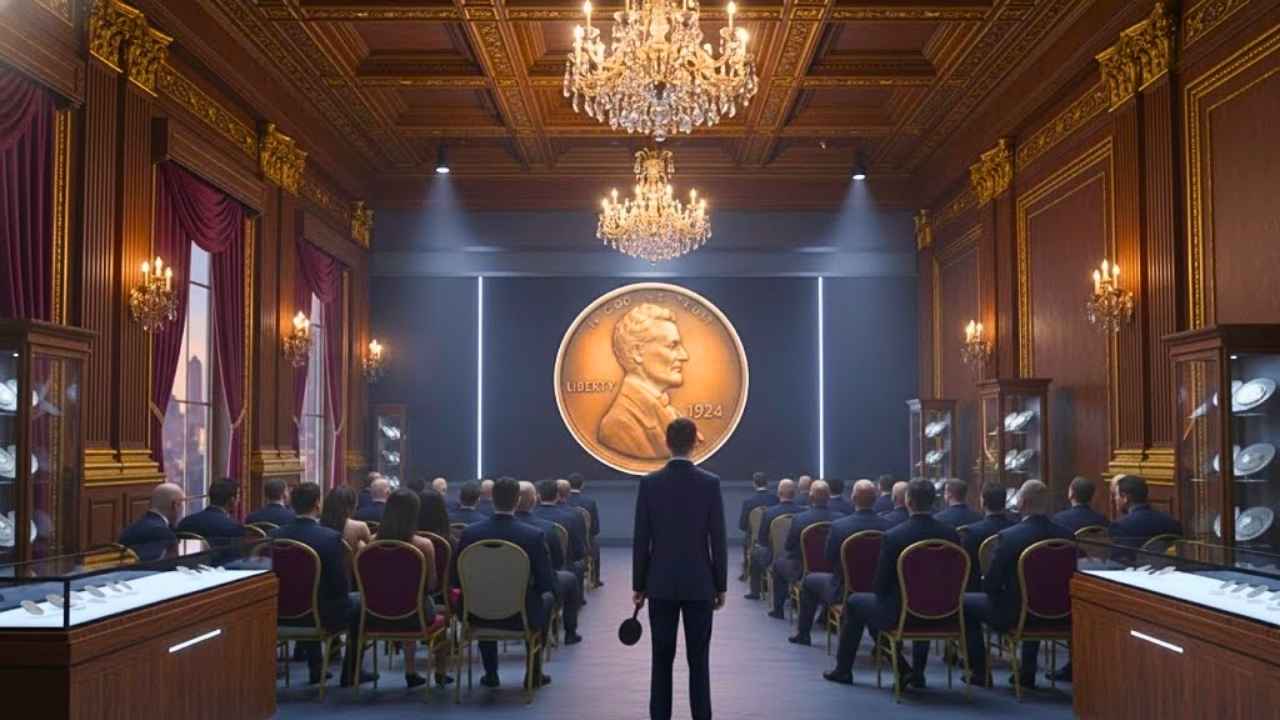
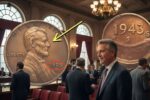
The Lincoln Wheat penny, minted from 1909 to 1958, remains one of the most iconic coins in American numismatics. With its simple yet symbolic design featuring Abraham Lincoln on the obverse and two wheat stalks on the reverse, it has captured the imagination of collectors for more than a century. While many Wheat pennies are still found in circulation or tucked away in old jars, certain rare dates, mint marks, and error varieties have become highly valuable. In 2026, collectors continue to compare today’s values with those from a decade ago, revealing fascinating trends in the coin market.
The Design and History
Victor David Brenner designed the Wheat penny, which was the first U.S. coin to feature a real historical figure. The reverse design with wheat stalks symbolized prosperity and agriculture, reflecting America’s strength during the early 20th century. The coin was struck in bronze until 1943, when steel was used due to wartime shortages. This change created one of the most famous rarities in U.S. coinage history.

Why Wheat Pennies Are Valuable
Most Wheat pennies are common, but certain factors make them highly collectible:
- Rare minting errors
- Low mintage key dates
- High‑grade uncirculated condition
- Historical significance and collector demand
- Auction records for dramatic rarities
Rare Dates and Key Varieties
1909‑S VDB Penny
The first year of issue included a San Francisco mint coin with designer initials “VDB.” With only 484,000 minted, it is one of the most famous rarities and has consistently risen in value over the past decade.

1914‑D Penny
The Denver mint produced only 1.2 million pennies in 1914, making this a key date. In 2016, high‑grade examples sold for thousands, and by 2026, prices have climbed even higher.
1922 No D Penny
Due to a minting error in Denver, some 1922 pennies were struck without a visible mint mark. These coins are rare and continue to command strong premiums.

1931‑S Penny
With a mintage of just 866,000, the 1931‑S is one of the lowest production Wheat pennies. Its value has steadily increased over the past decade.
1943 Copper Penny
During World War II, pennies were struck in zinc‑coated steel. Rare copper 1943 pennies exist and are worth tens of thousands, with auction records showing dramatic increases since 2016.

1955 Double Die Penny
One of the most dramatic error coins in U.S. history, the 1955 doubled die shows clear doubling in the date and lettering. Its popularity has kept values strong, with prices rising steadily over the last ten years.
Comparing Values: 2016 vs 2026
The past decade has seen significant growth in the value of rare Wheat pennies. In 2016, a 1909‑S VDB in Mint State condition might have sold for around $2,000 to $3,000. By 2026, prices for the same coin often exceed $4,000. The 1914‑D penny has seen similar growth, with high‑grade examples doubling in value. The 1943 copper penny, already famous in 2016, has reached record highs in 2026, with some examples selling for hundreds of thousands. Even more common dates in pristine condition have appreciated, reflecting the growing demand for classic U.S. coinage.
Auction Records 2016–2026
Auction records highlight the dramatic rise in Wheat penny values. The 1955 doubled die has sold for tens of thousands in top condition. The 1922 No D penny continues to attract strong bids, while the 1931‑S has shown steady appreciation. The 1943 copper penny remains the star of the series, with record‑breaking sales that capture headlines.
Factors That Influence Value
Several factors determine the value of Wheat pennies:
- Rarity: Key dates and dramatic errors are worth the most
- Condition: Mint State coins are worth far more than circulated examples
- Certification: Coins graded by professional services often sell for higher prices
- Demand: Collectors prize early issues and rare varieties
- Provenance: Coins with notable auction history achieve premium values
Collector Trends 2016–2026
Collector interest in Wheat pennies has remained strong. The series is admired for its accessibility and historical significance. Online auctions and coin shows have made rare finds more available. Beginners often start with affordable circulated examples, while advanced collectors chase rarities like the 1909‑S VDB and 1955 doubled die. The past decade has shown that even common Wheat pennies in pristine condition can appreciate, making them attractive to new collectors.
Preserving Wheat Pennies
Preservation is essential for maintaining value. Coins should be stored in protective holders or albums to prevent wear and tarnish. Avoid cleaning coins, as this can reduce their value. Keeping them in a stable environment ensures they remain in top condition for years to come.
Market Outlook Beyond 2026
The market for Wheat pennies shows steady growth. With increasing interest in classic U.S. coinage, experts predict that values will continue to rise. The fixed supply of rare issues ensures that competition among collectors remains strong, driving prices higher year after year.
Key Highlights
- The Wheat penny was minted from 1909 to 1958 and remains a popular collectible
- Rare varieties include the 1909‑S VDB, 1914‑D, 1922 No D, 1931‑S, 1943 copper, and 1955 doubled die
- Auction records in 2026 show rare Wheat pennies selling for thousands, with some reaching hundreds of thousands
- Value depends on rarity, condition, certification, and provenance
- Preservation and professional grading are essential for maximizing value
- Market trends in 2026 show rising demand and increasing prices for Wheat pennies compared to 2016
Final Words
The Wheat penny is more than just a coin; it is a symbol of American history and artistry. From the legendary 1909‑S VDB to the dramatic 1955 doubled die, these coins continue to captivate collectors in 2026. Comparing today’s values with those from a decade ago reveals how demand and rarity have driven prices upward. With values rising and interest growing, the Wheat cent remains a cornerstone of coin collecting. Whether you are a seasoned collector or a beginner, exploring the world of Wheat pennies offers both excitement and reward. These coins remind us that even the smallest denomination can hold extraordinary worth and lasting legacy.