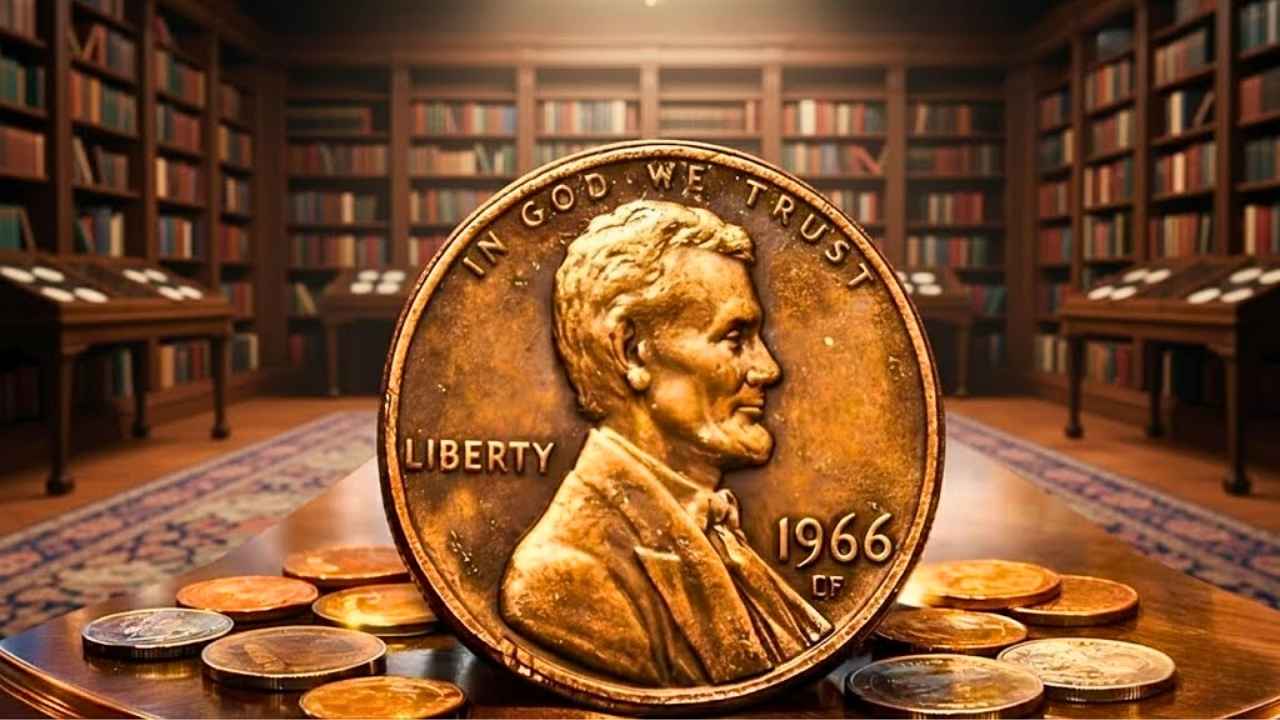
The Lincoln Penny has been a cornerstone of American coinage since its introduction in 1909. Designed by Victor David Brenner to commemorate the centennial of Abraham Lincoln’s birth, the coin quickly became one of the most recognized and collected pieces in U.S. history. Over the decades, changes in design, mint marks, and composition have created a wide range of varieties, some of which are now worth far more than their face value. In 2026, collectors continue to study Lincoln Pennies closely, using value charts and mint mark guides to identify rare treasures hidden in collections and circulation.
The History of the Lincoln Penny
The Lincoln Penny was the first U.S. coin to feature a president’s portrait. Its obverse shows Lincoln’s profile, while the reverse originally displayed two wheat stalks, giving rise to the nickname “Wheat Penny.” In 1959, the reverse design changed to the Lincoln Memorial, and in 2009, special bicentennial designs were issued. Since 2010, the reverse has featured the Union Shield. Each design era adds depth to the coin’s history and offers collectors unique opportunities to build diverse sets.
Why Mint Marks Matter
Mint marks are small letters on coins that indicate where they were produced. For Lincoln Pennies, common mint marks include:
- D for Denver
- S for San Francisco
- No mint mark for Philadelphia
Mint marks are crucial for collectors because they often determine rarity. For example, certain years had low production numbers at specific mints, making those coins far more valuable. A 1909‑S VDB penny, with its limited mintage, is one of the most famous examples of how mint marks can elevate a coin’s value.
Lincoln Penny Value Chart 2026
A value chart helps collectors understand the worth of Lincoln Pennies across different years and mint marks. While common pennies may only be worth a few cents, rare varieties can command hundreds or even thousands of dollars. In 2026, the following categories stand out:
Early Wheat Pennies (1909–1930)
These coins are highly collectible, especially those with low mintages. The 1909‑S VDB remains one of the most valuable, often selling for thousands in high grades.
Mid‑Century Wheat Pennies (1931–1958)
The 1931‑S penny is another rarity, with limited production making it a prized find. Wartime issues, such as the 1943 steel penny, also attract attention due to their unique composition.
Memorial Pennies (1959–2008)
While most Memorial Pennies are common, certain varieties like the 1972 double die obverse or the 1995 double die obverse are valuable error coins.

Bicentennial and Shield Pennies (2009–Present)
Modern issues are generally common, but special proofs and error coins can be worth more. Collectors often seek complete sets of these newer designs to complement their historical collections.
Rare Varieties and Errors
Error coins are among the most exciting finds for collectors. Lincoln Pennies with doubled dies, off‑center strikes, or missing mint marks can be worth significantly more than regular issues. For example, the 1955 double die obverse is one of the most famous error coins in U.S. history, with values reaching thousands of dollars depending on condition.
Condition and Grading
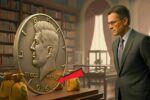
Condition is one of the most important factors in determining value. Coins are graded on a scale from Poor to Mint State 70. A rare Lincoln Penny in circulated condition may be worth only a fraction of its potential value, while the same coin in Mint State can command impressive premiums. Professional grading services such as PCGS and NGC provide authentication and grading, ensuring collectors know exactly what they are buying.
Market Value in 2026
As of 2026, Lincoln Pennies remain popular among collectors worldwide. Online auctions, coin shows, and marketplaces have made rare varieties more accessible, but demand continues to drive prices higher. The combination of history, artistry, and rarity ensures that Lincoln Pennies remain a cornerstone of numismatic collections.
Investment Potential
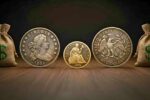
Lincoln Pennies are not only collectibles but also potential investments. Their value is driven by scarcity, demand, and historical significance. Investors should focus on certified coins with high grades, as these are more likely to appreciate over time. While not every penny will yield high returns, rare varieties like the 1909‑S VDB or the 1955 double die obverse offer both historical charm and financial potential.
Collecting Tips
For those interested in collecting Lincoln Pennies, start by examining coins in circulation or purchasing affordable examples from dealers. Look for unusual features such as doubling, off‑center strikes, or rare mint marks. Always handle coins carefully to avoid damage, and consider professional grading for coins that appear rare or flawless. Joining coin clubs or online forums can also provide valuable insights and connections with other collectors.

Key Highlights
- The Lincoln Penny was first minted in 1909 to honor Abraham Lincoln.
- Mint marks such as D, S, and no mark indicate production location and rarity.
- Rare varieties include the 1909‑S VDB, 1931‑S, and 1955 double die obverse.
- Condition and professional grading are essential for determining value.
- Collecting in 2026 is more global, with online auctions driving demand.
Final Words
The Lincoln Penny Value Chart 2026 offers collectors a roadmap to understanding the worth of one of America’s most iconic coins. From early Wheat Pennies to modern Shield designs, each era tells a story of history, artistry, and national pride. Rare varieties and error coins continue to inspire collectors, while high‑grade examples provide both beauty and investment potential. For enthusiasts in 2026, the Lincoln Penny remains a timeless reminder of how everyday currency can become extraordinary treasures.