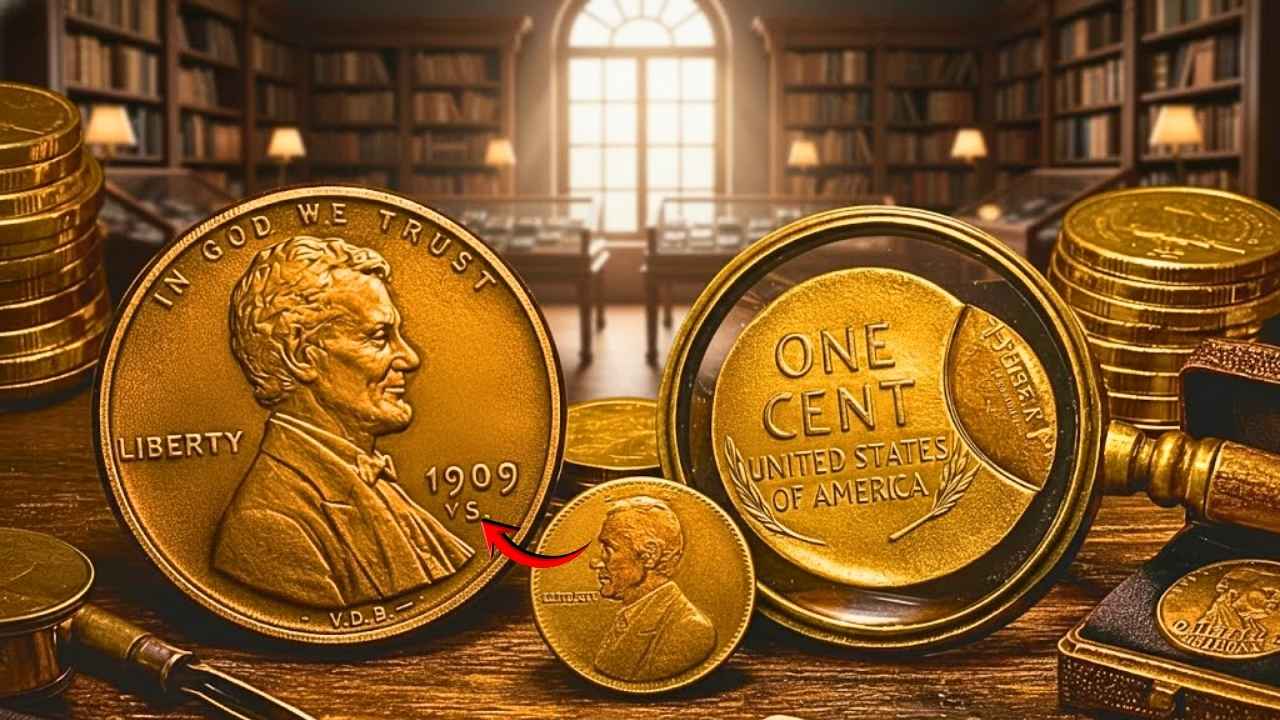
The Wheat Penny, officially known as the Lincoln Wheat Cent, is one of the most iconic coins in American numismatics. Minted from 1909 to 1958, it features Abraham Lincoln on the obverse and two wheat stalks on the reverse. While billions were produced, certain rare dates, mint marks, and error varieties have become incredibly valuable. In 2026, collectors continue to search for these hidden treasures, with some examples worth well over $100,000. This guide explores the history, rare varieties, and current market values of Wheat Pennies, helping collectors understand which coins are worth big money today.
The History of the Wheat Penny
The Wheat Penny was introduced in 1909 to celebrate the centennial of Abraham Lincoln’s birth. Designed by Victor David Brenner, it was the first U.S. coin to feature a real person. The obverse shows Lincoln’s profile, while the reverse displays two wheat stalks framing the words “One Cent.”
The coin was struck in bronze, composed of 95 percent copper and 5 percent tin and zinc. During World War II, the composition briefly changed to zinc‑coated steel in 1943 to conserve copper for the war effort. This change produced one of the most famous rarities in U.S. coinage history.
Rare Wheat Penny Varieties
1909‑S VDB Wheat Penny
The 1909‑S VDB is one of the most famous Wheat Pennies. Struck at the San Francisco Mint, it features the designer’s initials “VDB” on the reverse. With only 484,000 minted, it is highly sought after. High‑grade examples can be worth tens of thousands of dollars.
1914‑D Wheat Penny
The 1914‑D is another key date in the series. With a low mintage of just over one million, it is rare in circulation. High‑grade examples are extremely valuable, often selling for thousands at auction.
1922 No D Wheat Penny
In 1922, all Wheat Pennies were struck at the Denver Mint. However, some coins were produced without the “D” mint mark due to worn dies. These “No D” pennies are rare and highly prized by collectors.
1943 Copper Wheat Penny
Perhaps the most legendary variety is the 1943 Copper Wheat Penny. While most pennies that year were struck in steel, a few were mistakenly struck in copper. These coins are extremely rare, with examples selling for hundreds of thousands or even millions of dollars.
1955 Double Die Obverse
The 1955 Double Die Obverse is one of the most famous error coins in U.S. history. The doubling on the date and lettering is dramatic and easily visible. These coins are rare and valuable, with high‑grade examples worth thousands.
Why Wheat Pennies Are Valuable
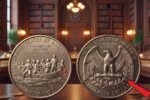
The value of Wheat Pennies is determined by rarity, condition, and demand. Coins with unusual varieties, limited mintages, or striking errors are especially prized. High‑grade examples certified by professional grading services command strong premiums. Collectors seek these coins not only for their monetary value but also for their historical significance.
How to Spot Rare Wheat Pennies
Spotting rare Wheat Pennies requires careful examination. Look for unusual features such as missing mint marks, doubled lettering, or unusual compositions. A magnifying glass can help reveal details that are not visible to the naked eye. Comparing coins to reference guides or online resources can also help identify rare varieties. If you suspect you have a rare coin, consider submitting it to a professional grading service for authentication.
Condition and Grading
Condition plays a crucial role in determining the value of Wheat Pennies. Coins are graded on a scale from Poor to Mint State 70. High‑grade examples with sharp details and flawless surfaces are worth significantly more than circulated coins. Professional grading services such as PCGS and NGC provide authentication and grading, ensuring collectors can trust their purchases.
Market Value in 2026
As of 2026, the market for Wheat Pennies remains strong. Rare varieties such as the 1909‑S VDB, 1914‑D, 1922 No D, 1943 Copper, and 1955 Double Die continue to attract global interest, with auction prices reaching impressive levels. Online marketplaces and coin shows have made these coins more accessible, but demand continues to drive prices upward. Collectors worldwide remain fascinated by the artistry and rarity of the Wheat Penny.
Investment Potential
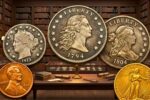
Rare Wheat Pennies are not only collectibles but also alternative investments. Their value is driven by scarcity, demand, and historical significance. Investors who focus on certified coins with high grades often see steady appreciation over time. While not every Wheat Penny will yield significant returns, rare varieties and pristine examples offer both historical charm and financial potential.
Collecting Tips
For those interested in collecting Wheat Pennies, start by examining coins in circulation or purchasing affordable examples from dealers. Look for unusual features such as doubled dies or missing mint marks. Always handle coins carefully to avoid damage, and consider professional grading for coins that appear rare or flawless. Joining coin clubs or online forums can also provide valuable insights and connections with other collectors.
Key Highlights
- The Wheat Penny was minted from 1909 to 1958 and designed by Victor David Brenner
- Rare varieties include the 1909‑S VDB, 1914‑D, 1922 No D, 1943 Copper, and 1955 Double Die Obverse
- Condition and professional grading are essential for determining value
- Rare Wheat Pennies have achieved auction prices in the thousands or even millions
- The rare coin market in 2026 continues to thrive globally
Final Words
The Wheat Penny 2026 Value Guide highlights the enduring appeal of this iconic coin. From the 1909‑S VDB to the legendary 1943 Copper and 1955 Double Die, these coins represent both history and artistry. Their rarity and condition make them prized possessions for collectors and investors alike. In 2026, they continue to inspire enthusiasts, proving that even small coins can achieve extraordinary values. Whether you are a beginner searching through pocket change or an experienced numismatist seeking rare finds, Wheat Pennies remain timeless reminders of how currency can hold extraordinary stories and value.