Coin collecting has always been a fascinating hobby, blending history, artistry, and the thrill of discovery. Among the most sought-after collectibles are error coins, which are produced when mistakes occur during the minting process. These errors transform ordinary coins into rare treasures, often worth far more than their face value. The 2008 State Quarters, part of the United States Mint’s 50 State Quarters Program, are especially notable for their unique errors. As we step into 2026, collectors are finding that certain 2008 error quarters can fetch thousands of dollars in auctions and private sales.
Background of the 2008 State Quarters
The State Quarters Program began in 1999 and continued until 2008, releasing five new designs each year to honor different states. In 2008, the final five states were commemorated: Oklahoma, New Mexico, Arizona, Alaska, and Hawaii. Each design carried symbolic imagery representing the state’s heritage, culture, and natural beauty. While millions of these coins were minted, a small fraction contained errors that now make them highly valuable to collectors.
Types of Errors Found in 2008 State Quarters
Error coins are prized because they are rare and often visually striking. The 2008 State Quarters feature several types of errors that have caught the attention of numismatists.
Double Die Errors
One of the most common and valuable errors is the double die. This occurs when the coin’s design is accidentally struck twice, creating a doubled image. Collectors often look for doubling in the lettering, numbers, or state symbols. For example, some 2008 Hawaii quarters show doubling in the motto “Ua Mau ke Ea o ka ʻĀina i ka Pono,” making them highly desirable.
Off-Center Strikes
An off-center strike happens when the coin blank is not properly aligned during minting. This results in a design that is shifted to one side, leaving part of the coin blank. Off-center 2008 quarters, especially those with more than 50% of the design missing, can be worth hundreds or even thousands of dollars depending on condition.
Clipped Planchets
A clipped planchet error occurs when the coin blank is improperly cut, leaving a crescent-shaped clip on the edge. These errors are visually distinctive and rare. A 2008 Alaska quarter with a clipped planchet can command a significant premium in the collector’s market.
Die Cracks and Cuds
Die cracks appear as raised lines on the coin’s surface, caused by fractures in the minting die. Cuds are larger raised areas where part of the die has broken away. Both types of errors add uniqueness to the coin and increase its value.
Wrong Planchet Errors
Occasionally, a quarter is struck on the wrong type of metal blank, such as a nickel or dime planchet. These mistakes are extremely rare and can make a 2008 State Quarter worth thousands of dollars.
Value of Rare 2008 State Quarter Errors in 2026
The value of error coins depends on rarity, demand, and condition. In 2026, collectors are paying impressive sums for well-preserved 2008 error quarters.
- A double die Hawaii quarter in mint state condition can sell for $1,500 to $3,000.
- Off-center strikes with more than half the design missing are valued between $500 and $2,000.
- Clipped planchet Alaska quarters often fetch $300 to $800 depending on size and clarity of the clip.
- Wrong planchet errors are among the most valuable, with prices ranging from $2,000 to $5,000.
- Die cracks and cuds, while less dramatic, can still bring in $100 to $400 depending on prominence.
These values highlight the importance of careful examination and grading. Coins certified by professional grading services such as PCGS or NGC often command higher prices because buyers trust their authenticity.
How to Identify and Preserve Error Quarters
Collectors should learn how to spot genuine errors to avoid confusion with post-mint damage. Using a magnifying glass or microscope can help detect doubling, cracks, or off-center strikes. It is also crucial to distinguish between mint errors and damage caused by circulation, as scratches or dents do not add value.
Preservation is equally important. Error coins should be stored in protective holders to prevent wear and tarnish. Avoid cleaning coins, as this can reduce their value. Keeping them in a cool, dry environment ensures they retain their condition for years to come.
Why Collectors Value 2008 Error Quarters
The appeal of 2008 State Quarter errors lies in their rarity and connection to the end of the State Quarters Program. Since 2008 marked the final year of the series, these coins carry historical significance. Error coins from this year represent both a minting anomaly and a symbolic conclusion to a beloved program. Collectors see them as a blend of history, artistry, and rarity, making them prized additions to any collection.
Market Trends in 2026
The coin market in 2026 shows strong demand for error quarters, especially those from the State Quarters Program. Online auctions, coin shows, and private sales reveal that collectors are willing to pay premium prices for rare 2008 errors. The rise of digital marketplaces has also made it easier for collectors to buy and sell coins worldwide, increasing competition and driving values higher.
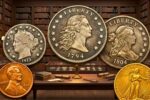
Experts predict that as more collectors enter the hobby, the demand for error coins will continue to grow. Since the supply of genuine errors is fixed, prices are likely to rise further in the coming years.
Key Highlights
- The 2008 State Quarters were the final release in the 50 State Quarters Program.
- Errors such as double dies, off-center strikes, clipped planchets, die cracks, and wrong planchets make these coins rare and valuable.
- In 2026, certain 2008 error quarters are worth thousands of dollars, depending on rarity and condition.
- Professional grading increases value and ensures authenticity.
- Preservation and careful identification are essential for maintaining coin value.
- Market trends show growing demand for error coins, with prices expected to rise further.
Final Words
The 2008 State Quarter errors represent a fascinating chapter in numismatic history. What began as a simple minting mistake has transformed into a treasure hunt for collectors worldwide. As we move through 2026, these coins continue to capture attention and command impressive prices. Whether you are a seasoned collector or a curious beginner, exploring the world of error quarters offers both excitement and potential financial reward. The key is to stay informed, examine coins carefully, and appreciate the unique stories each error coin tells. In the end, these rare pieces are more than just currency—they are artifacts of history, symbols of craftsmanship, and gateways to discovery.