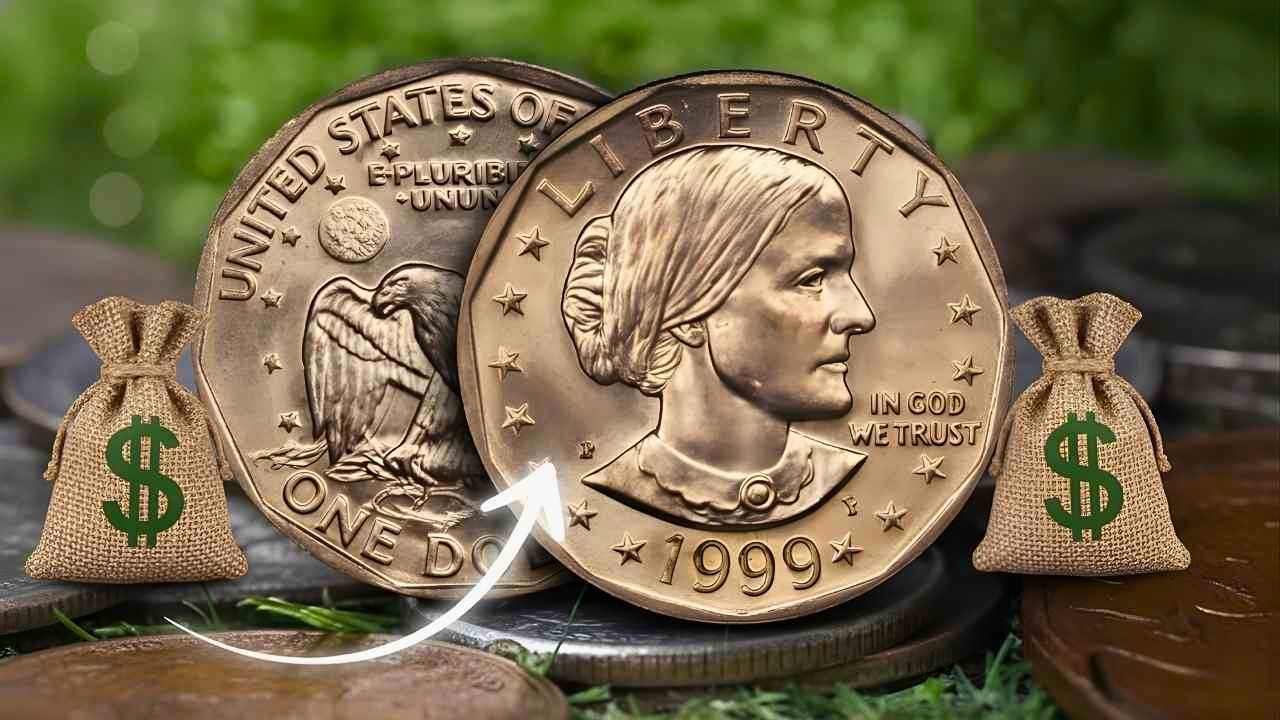
The Mercury Dime is one of the most celebrated coins in American numismatics. Minted between 1916 and 1945, it features a design by Adolph A. Weinman that depicts Liberty wearing a winged cap, symbolizing freedom of thought. Collectors often refer to it as the “Mercury Dime” because Liberty’s portrait resembles the Roman god Mercury. While most Mercury Dimes are common and worth only a few dollars, certain rare varieties have achieved legendary status. One such coin, a 1916‑D Mercury Dime in pristine condition, has been valued at over $1.1 million. In 2026, the fascination with this coin continues, inspiring collectors to search their collections for hidden treasures.
The History of the Mercury Dime
The Mercury Dime was introduced in 1916, replacing the Barber Dime. Weinman’s design was praised for its artistry and symbolism, capturing the spirit of liberty and progress. The reverse features a fasces, symbolizing unity and strength, along with an olive branch representing peace.
The series ran until 1945, when it was replaced by the Roosevelt Dime. Despite its relatively short run, the Mercury Dime remains one of the most beloved coins in U.S. history.
Rare Mercury Dime Varieties
1916‑D Mercury Dime
The 1916‑D Mercury Dime is the most famous rarity in the series. With a mintage of only 264,000, it is the lowest production year for the coin. High‑grade examples are extremely rare, with pristine specimens valued at over $1.1 million.
1942/41 Overdate Mercury Dime
This error variety occurred when a 1941 die was over‑punched with a 1942 date. The result is a striking overdate that is highly prized by collectors. Both the Philadelphia and Denver Mints produced this error, making it one of the most sought‑after Mercury Dimes.
Full Bands Varieties
Collectors often seek Mercury Dimes with fully struck horizontal bands on the reverse fasces. These “Full Bands” coins are rare and command strong premiums, especially in high grades.

Why Mercury Dimes Are Valuable
The value of Mercury Dimes is determined by rarity, condition, and demand. Coins with low mintages, unusual errors, or fully struck details are especially prized. High‑grade examples certified by professional grading services command strong premiums. Collectors seek these coins not only for their monetary value but also for their artistry and historical significance.
How to Spot Rare Mercury Dimes
Spotting rare Mercury Dimes requires careful examination. Look for unusual features such as overdates, mint marks, or fully struck details. A magnifying glass can help reveal details that are not visible to the naked eye. Comparing coins to reference guides or online resources can also help identify rare varieties. If you suspect you have a rare Mercury Dime, consider submitting it to a professional grading service for authentication.
Condition and Grading
Condition plays a crucial role in determining the value of Mercury Dimes. Coins are graded on a scale from Poor to Mint State 70. High‑grade examples with sharp details and flawless surfaces are worth significantly more than circulated coins. Professional grading services such as PCGS and NGC provide authentication and grading, ensuring collectors can trust their purchases.
Market Value in 2026
As of 2026, the market for Mercury Dimes remains strong. Rare varieties such as the 1916‑D and 1942/41 Overdate continue to attract global interest, with auction prices reaching impressive levels. Online auctions and coin shows have made these coins more accessible, but demand continues to drive prices upward. Collectors worldwide remain fascinated by the artistry and rarity of the Mercury Dime.
Investment Potential
Rare Mercury Dimes are not only collectibles but also alternative investments. Their value is driven by scarcity, demand, and historical significance. Investors who focus on certified coins with high grades often see steady appreciation over time. While not every Mercury Dime will yield significant returns, rare varieties and pristine examples offer both historical charm and financial potential.
Collecting Tips
For those interested in collecting Mercury Dimes, start by examining coins in circulation or purchasing affordable examples from dealers. Look for unusual features such as overdates, mint marks, or fully struck details. Always handle coins carefully to avoid damage, and consider professional grading for coins that appear rare or flawless. Joining coin clubs or online forums can also provide valuable insights and connections with other collectors.
Key Highlights
- The Mercury Dime was minted between 1916 and 1945
- Rare varieties include the 1916‑D and 1942/41 Overdate
- Full Bands coins are highly prized by collectors
- Condition and professional grading are essential for determining value
- Rare Mercury Dimes have achieved auction prices in the millions
- The rare coin market in 2026 continues to thrive globally
Final Words
The $1.1 Million Mercury Dime guide highlights the enduring appeal of this iconic coin. From the 1916‑D rarity to the 1942/41 Overdate, Mercury Dimes represent both history and artistry. Their rarity and condition make them prized possessions for collectors and investors alike. In 2026, they continue to inspire enthusiasts, proving that even small coins can achieve extraordinary values. Whether you are a beginner searching through pocket change or an experienced numismatist seeking rare finds, Mercury Dimes remain timeless reminders of how currency can hold extraordinary stories and value.