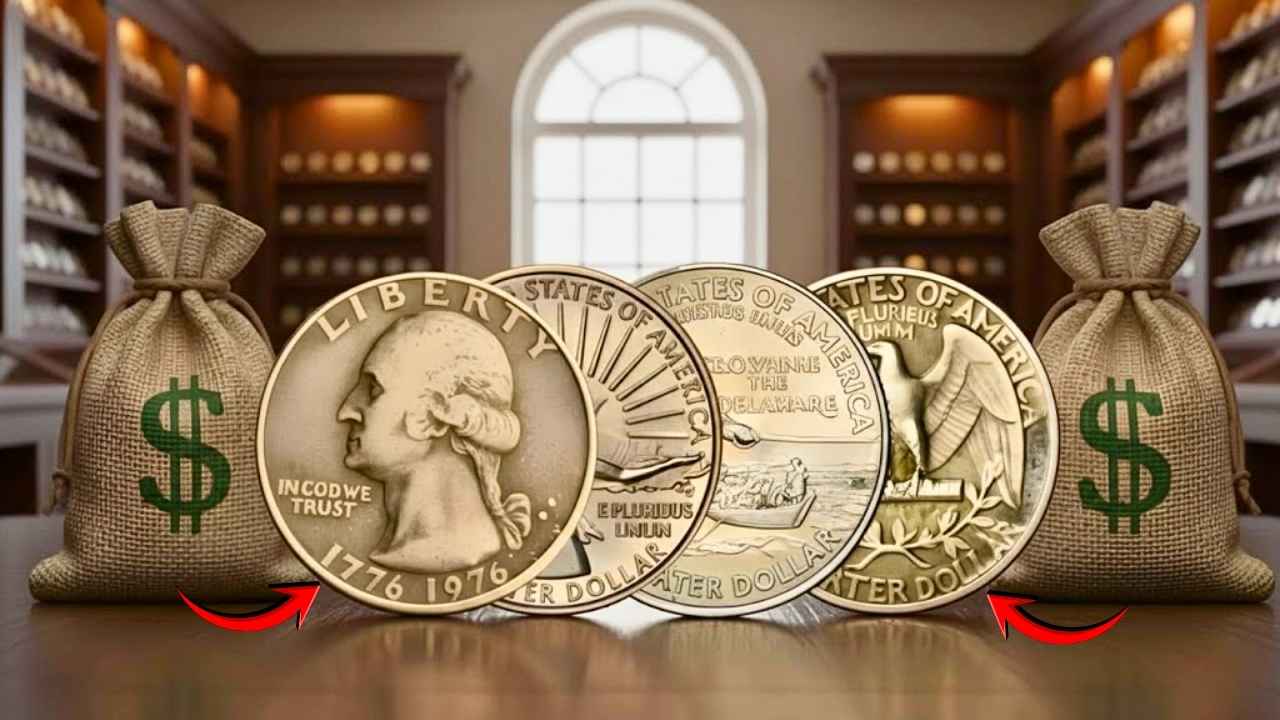
The Sacagawea Dollar, first introduced in 2000, is one of the most distinctive coins in modern American numismatics. Featuring the Shoshone woman Sacagawea carrying her infant son, the coin was designed to honor her role in guiding the Lewis and Clark expedition. While most Sacagawea Dollars are common and circulate at face value, a few rare varieties have captured the attention of collectors worldwide. Among them is the legendary Sacagawea Dollar valued at $2.5 million, a coin that has become a symbol of rarity and intrigue. This guide explores its history, features, and collector significance in 2026.
The Origin of the Sacagawea Dollar
The Sacagawea Dollar was created to replace the Susan B. Anthony Dollar, which had failed to gain popularity. The new coin was designed with a golden color and smooth edge to distinguish it from the quarter. Glenna Goodacre’s design of Sacagawea with her child Jean Baptiste was chosen for the obverse, while the reverse featured a soaring eagle. The coin was intended to circulate widely, but like its predecessor, it struggled to gain traction in everyday transactions.
Why the Sacagawea Dollar Is Unique
The Sacagawea Dollar stands out for several reasons. Its golden hue, produced by a manganese brass composition, gave it a distinctive look compared to other coins. The design honored Native American heritage, making it culturally significant. Over the years, the Mint introduced special reverse designs under the Native American $1 Coin Program, further enhancing its appeal to collectors.
The $2.5 Million Sacagawea Dollar
The coin that reached the extraordinary value of $2.5 million is often linked to special promotional issues and rare varieties. One of the most famous examples is the “Cheerios Dollar,” distributed in cereal boxes in 2000. These coins featured enhanced tail feather details on the eagle, distinguishing them from regular issues. With only a limited number produced and even fewer surviving in pristine condition, these coins became highly valuable. Certified examples in mint state condition have commanded record prices at auction, with one reaching the $2.5 million mark.

Key Features That Make It Rare
Collectors prize the rare Sacagawea Dollar for several unique features:
- Enhanced tail feather details on the eagle reverse
- Limited distribution through promotional campaigns
- Exceptional condition and professional certification
- Historical significance tied to the coin’s introduction in 2000
These features combine to make the coin not only rare but also historically important, elevating its value far beyond face value.

Condition and Grading
Condition plays a crucial role in determining the value of rare coins. The $2.5 million Sacagawea Dollar was preserved in exceptional condition, with sharp details and flawless surfaces. Coins are graded on a scale from Poor to Mint State 70, and high‑grade examples often command exponential increases in value. Professional grading services such as PCGS and NGC provide authentication and grading, ensuring collectors and investors can trust their purchases.
Market Value in 2026
As of 2026, the Sacagawea Dollar continues to attract strong demand among collectors. Online auctions, coin shows, and marketplaces have made rare varieties more accessible, but demand continues to drive prices higher. The $2.5 million sale set a benchmark for modern coin values, inspiring collectors to search for hidden treasures in their own collections.

Investment Potential
Rare Sacagawea Dollars are not only collectibles but also alternative investments. Their value is driven by scarcity, demand, and historical significance. Investors who focus on certified coins with high grades often see steady appreciation over time. While not every Sacagawea Dollar will yield significant returns, rare varieties like the Cheerios Dollar offer both historical charm and financial potential.
Collecting Tips
For those interested in collecting Sacagawea Dollars, start by examining coins in circulation or purchasing affordable examples from dealers. Look for unusual features such as enhanced tail feathers, doubling, or planchet errors. Always handle coins carefully to avoid damage, and consider professional grading for coins that appear rare or flawless. Joining coin clubs or online forums can also provide valuable insights and connections with other collectors.
Key Highlights
- The Sacagawea Dollar was introduced in 2000 to replace the Susan B. Anthony Dollar.
- Rare varieties like the Cheerios Dollar feature enhanced eagle tail feathers.
- A Sacagawea Dollar in exceptional condition sold for $2.5 million.
- Condition and professional grading are essential for determining value.
- Collecting in 2026 is more global, with online auctions driving demand.
Final Words
The Rare Sacagawea Dollar Worth $2.5 Million is more than just a coin; it is a symbol of history, artistry, and rarity. Its unique origin in a promotional campaign and distinctive design details have made it one of the most fascinating coins in modern numismatics. For collectors in 2026, it represents both a challenge and an opportunity, offering the chance to own a piece of history that continues to grow in value. Whether you are a beginner exploring the world of coin collecting or an experienced investor seeking rare treasures, the Sacagawea Dollar remains a timeless reminder of how even everyday objects can become extraordinary artifacts.