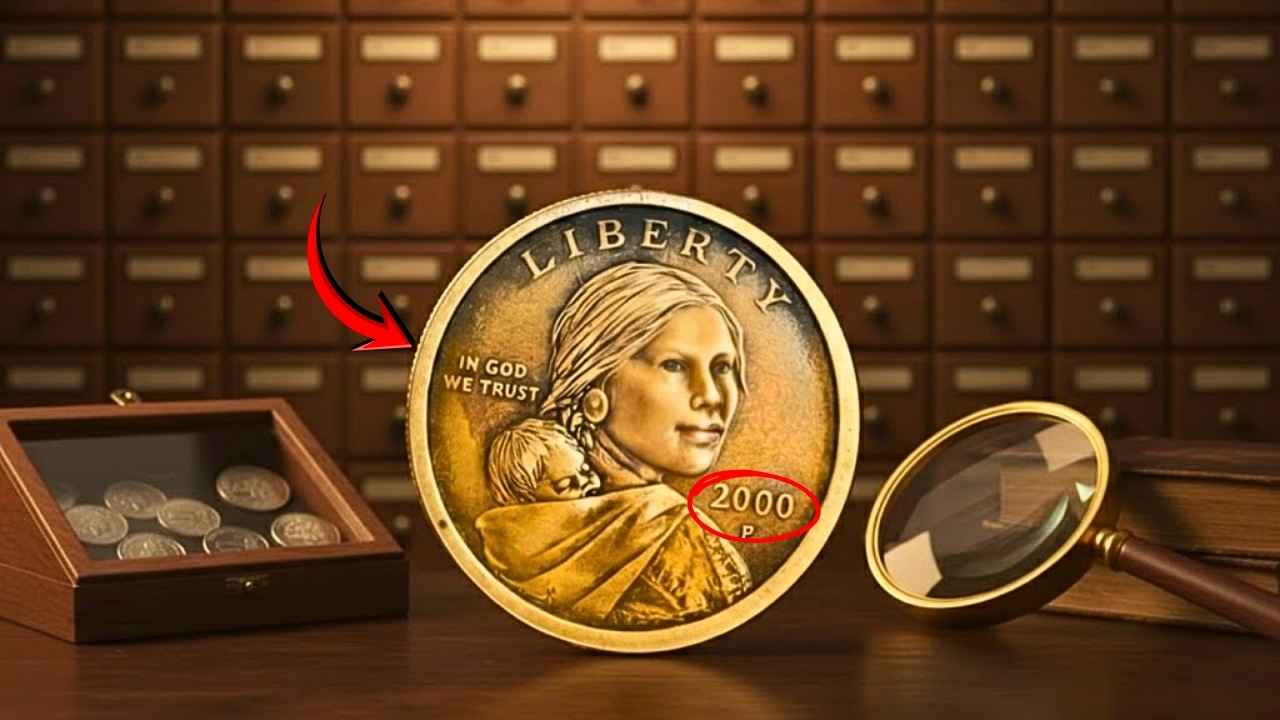
The Sacagawea dollar, first introduced in 2000, remains one of the most distinctive coins in modern American numismatics. Featuring the Shoshone woman Sacagawea carrying her infant son, Jean Baptiste, the coin was designed to honor her role in guiding the Lewis and Clark expedition. Over the years, the Sacagawea dollar has seen multiple design variations, minting errors, and collector editions that have made certain issues highly valuable. As we move into 2026, collectors continue to seek out rare varieties and error coins, some of which are worth far more than their face value. This guide explores the history, mint marks, rare errors, and grading standards that every coin enthusiast should know.
The Origins of the Sacagawea Dollar
The Sacagawea dollar was introduced to replace the Susan B. Anthony dollar, which had been unpopular due to its similarity in size and color to the quarter. The new coin featured a golden color, created by a manganese brass alloy, and a smooth edge. Glenna Goodacre designed the obverse, while Thomas D. Rogers created the reverse featuring a soaring eagle.
The coin was intended for circulation, but like its predecessor, it struggled to gain widespread use. However, it quickly became popular among collectors due to its unique design and limited mintages of certain varieties.
Mint Marks and Their Importance
Mint marks indicate where a coin was produced, and they play a crucial role in determining value. For Sacagawea dollars, the most common mint marks are:
- P: Philadelphia Mint
- D: Denver Mint
- S: San Francisco Mint (proof issues)
Coins struck at the San Francisco Mint, especially proof and silver editions, often carry higher premiums. Collectors pay close attention to mint marks when evaluating the rarity and value of Sacagawea dollars.
Rare and Valuable Sacagawea Dollars
Several Sacagawea dollars have achieved legendary status among collectors. Notable examples include:
- 2000-P Cheerios Dollar: Distributed in cereal boxes as a promotion, featuring a prototype reverse design with enhanced eagle tail feathers. These coins are extremely rare and worth thousands.
- 2000-P Goodacre Presentation Dollars: Specially struck coins given to the artist Glenna Goodacre as payment, later released to collectors.
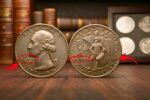
- 2000-P and 2000-D Mule Errors: Coins mistakenly struck with a Washington quarter obverse paired with the Sacagawea reverse. These are among the most famous modern U.S. coin errors and can sell for tens of thousands.
- Proof and special edition issues: Coins struck in limited numbers for collectors, often in silver or with enhanced finishes.
Error Coins and Their Value
Error coins are highly prized by collectors because they represent rare mistakes in the minting process. Some of the most notable Sacagawea dollar errors include:
- Double die errors showing doubling in the lettering or design.
- Off-center strikes creating unusual appearances.
- Wrong planchet errors where the design was struck on a blank intended for another denomination.
- Edge lettering mistakes in later issues when the Presidential dollar series introduced edge inscriptions.
These errors can elevate the value of a Sacagawea dollar from a few dollars to thousands, depending on rarity and condition.
Collector Grading Guide
Grading plays a vital role in determining the value of Sacagawea dollars. Coins are graded on a scale from Poor (P-1) to Mint State (MS-70). Key grading factors include:
- Strike quality: Sharp details and clear design elements increase value.
- Luster: Original mint shine is highly desirable.
- Surface preservation: Fewer scratches, marks, or wear result in higher grades.
- Eye appeal: Overall attractiveness of the coin influences collector demand.
Professional grading services such as PCGS and NGC provide certification, which helps establish authenticity and market value.
How to Identify Valuable Sacagawea Dollars
Collectors should carefully examine their coins for:
- Mint marks indicating production location.
- Special editions such as proof or silver strikes.
- Errors including doubling, off-center strikes, or wrong planchets.
- Condition, with uncirculated and proof coins commanding higher premiums.
Tips for Collectors
- Inspect coins carefully under good lighting and magnification.
- Store coins in protective holders to preserve condition.
- Consider professional grading for rare varieties.
- Stay informed about auction results and collector trends.
- Explore inherited collections, as rare Sacagawea dollars are sometimes overlooked.
The Joy of Collecting Sacagawea Dollars
Beyond financial value, Sacagawea dollars hold cultural and historical significance. They honor an important figure in American history and represent a unique era in modern coinage. For many collectors, the thrill lies not only in profit but in the discovery of hidden treasures that others may overlook.
Key Highlights
- The Sacagawea dollar was introduced in 2000 to replace the Susan B. Anthony dollar.
- Mint marks include P for Philadelphia, D for Denver, and S for San Francisco.
- Rare varieties include the Cheerios Dollar, Goodacre Presentation Dollars, and Mule Errors.
- Error coins such as double dies and wrong planchets can be worth thousands.
- Grading plays a crucial role in determining value, with MS-70 coins being the most desirable.
Final Words
The Sacagawea dollar remains one of the most fascinating coins in modern American numismatics. While most examples are worth only face value, rare varieties and error coins can command significant premiums. The story of coins like the Cheerios Dollar and Mule Errors highlights the incredible potential hidden in everyday change.
For collectors, the pursuit of Sacagawea dollars is not just about wealth but about preserving history and enjoying the thrill of discovery. Whether found in circulation, inherited from family, or purchased at auction, these coins continue to inspire with their unique blend of artistry, rarity, and heritage.