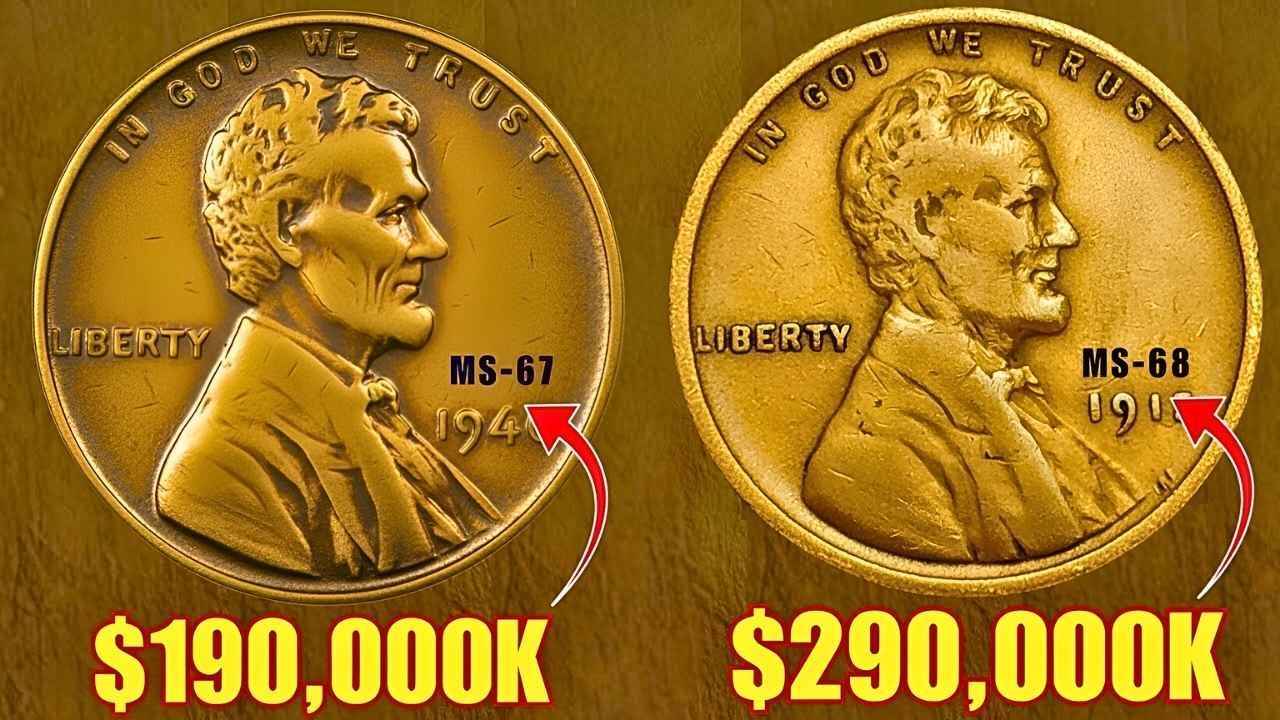
The Wheat Penny, officially known as the Lincoln Wheat Cent, is one of the most iconic coins in American history. Minted from 1909 to 1958, it features Abraham Lincoln on the obverse and two wheat stalks on the reverse. For decades, these coins circulated widely, becoming a familiar part of everyday life. Today, however, Wheat Pennies are prized collectibles, with values that have changed dramatically over time. This guide explores how Wheat Penny values have evolved, what factors influence their worth, and what your coins may be valued at now compared to then.
The Origins of the Wheat Penny
The Wheat Penny was introduced in 1909 to commemorate the centennial of Abraham Lincoln’s birth. Designed by Victor David Brenner, it was the first U.S. coin to feature a real person rather than a symbolic figure. The design remained in use until 1958, when it was replaced by the Lincoln Memorial reverse. During its nearly fifty years of production, the Wheat Penny saw numerous varieties, mint marks, and errors, many of which are now highly collectible.
Wheat Penny Values in the Past
When Wheat Pennies were first minted, they were worth exactly one cent in circulation. For decades, they were used in everyday transactions, often overlooked as common currency. In the mid‑20th century, collectors began to recognize their historical significance, and certain rare varieties started to gain value. By the 1960s and 1970s, coin collecting had become a popular hobby, and Wheat Pennies were among the most sought‑after coins for beginners. At that time, most Wheat Pennies were worth only a few cents above face value, but rare dates and mint errors commanded higher prices.
Wheat Penny Values Today
In 2026, Wheat Pennies have become far more valuable than they once were. Common dates in circulated condition may still be worth only a few cents, but uncirculated examples and rare varieties can fetch hundreds or even thousands of dollars. Auction records show strong demand for key dates such as the 1909‑S VDB, 1914‑D, and 1931‑S. Error coins, such as double dies and off‑center strikes, also command significant premiums. The rise in value reflects both collector interest and the scarcity of high‑quality examples.

Key Rare Wheat Pennies
1909‑S VDB
The 1909‑S VDB is one of the most famous Wheat Pennies. With a low mintage and the designer’s initials prominently displayed, it quickly became a collector’s item. Today, it remains one of the most valuable Wheat Pennies, often worth thousands in mint condition.
1914‑D
The 1914‑D is another key date, with a low mintage and high demand among collectors. Even in circulated condition, it commands strong premiums, making it a cornerstone of any Wheat Penny collection.

1922 No D
This variety was created when dies from the Denver Mint were overused, resulting in coins without a visible mint mark. The 1922 No D is rare and highly prized, with values reaching into the thousands.
1931‑S
The 1931‑S had a low mintage during the Great Depression, making it scarce in circulation. Today, it is a valuable coin, especially in higher grades.

1955 Double Die
The 1955 Double Die is one of the most famous error coins in U.S. history. The doubling on the obverse lettering is visible to the naked eye, making it a striking example of a minting mistake. Values range from hundreds to thousands depending on condition.
Factors Influencing Value
Several factors determine the value of Wheat Pennies. Rarity is the most important, with low‑mintage coins commanding higher prices. Condition also plays a critical role, as coins in mint state are worth far more than circulated examples. Errors and varieties add uniqueness, driving demand among collectors. Finally, historical significance and collector interest influence values, with certain coins becoming iconic over time.
Comparing Then vs Now
In the past, Wheat Pennies were often overlooked as common currency. Today, they are recognized as historical treasures, with values that far exceed their original worth. A coin once spent on candy or newspapers may now be worth hundreds or thousands of dollars. This transformation highlights the importance of preservation and the enduring appeal of coin collecting. For investors, Wheat Pennies represent a tangible asset that combines history with financial growth.
Collectors Tips and Strategies
Learn the Key Dates and Varieties
Knowledge is essential. Understanding which Wheat Pennies are rare helps collectors focus their search and avoid common pitfalls.
Focus on Condition
Condition plays a critical role in value. Coins graded Mint State or Proof are worth far more than circulated examples. Avoid cleaning coins, as this can reduce their value significantly.
Buy from Reputable Sources
Authenticity is crucial. Always purchase from trusted dealers, auction houses, or certified coin shows. Counterfeits exist, especially for rare varieties, so certification provides peace of mind.

Preserve and Protect
Proper storage is essential to maintain value. Use protective holders or albums to prevent damage. Store coins in a cool, dry environment to avoid tarnish or corrosion.
The Cultural Significance of Wheat Pennies
Beyond monetary value, Wheat Pennies hold cultural importance. They represent a tribute to Abraham Lincoln and a period of American history that spanned two world wars and the Great Depression. Collectors admire them not only as financial assets but also as pieces of art and heritage. Owning a Wheat Penny is like holding a fragment of America’s past, connecting generations through shared history.
Key Highlights
- Wheat Pennies were minted from 1909 to 1958 and feature Abraham Lincoln
- Values have risen dramatically over time, with rare varieties worth thousands
- Key dates include the 1909‑S VDB, 1914‑D, 1922 No D, 1931‑S, and 1955 Double Die
- Condition, rarity, and authenticity are key factors influencing value
- Collectors should focus on knowledge, preservation, and reputable sources
Final Words
The story of Wheat Penny values over time is a reminder that ordinary coins can become extraordinary treasures. From their humble beginnings as everyday currency to their current status as prized collectibles, Wheat Pennies have outpaced their original worth by far. For collectors and investors, they represent both financial opportunity and historical preservation. As values continue to rise in 2026, Wheat Pennies remain timeless coins that inspire fascination and prove that even the smallest denomination can carry a story worth far more than its face value.